Home
System Overview
Profile of the IES-134 System
System Characteristics
Principles of Construction
System Architecture
Time Series Data
System Topology
Overall Topology
Distribution Network Topology
Gas Network Topology
Heating Network Topology
Cooling Network Topology
Communication Network Topology
Nodes Information
Load Nodes
Source Nodes
Coupling Nodes
Energy Storage Nodes
Time Series Data
Conventional Dataset
Anomaly Dataset
Case Studies
Multi-Energy Flow Calculation
Reliability Analysis
Economic Optimal Dispatch
Research Achievements
Published Papers
License Patents
Academic Works
Awards
Open Source Programs
Multi-Energy Flow Calculation
Reliability Analysis
Economic Optimal Dispatch
Downloads
中文版
Profile of the IES-134 System
More
Profile of the IES-134 System
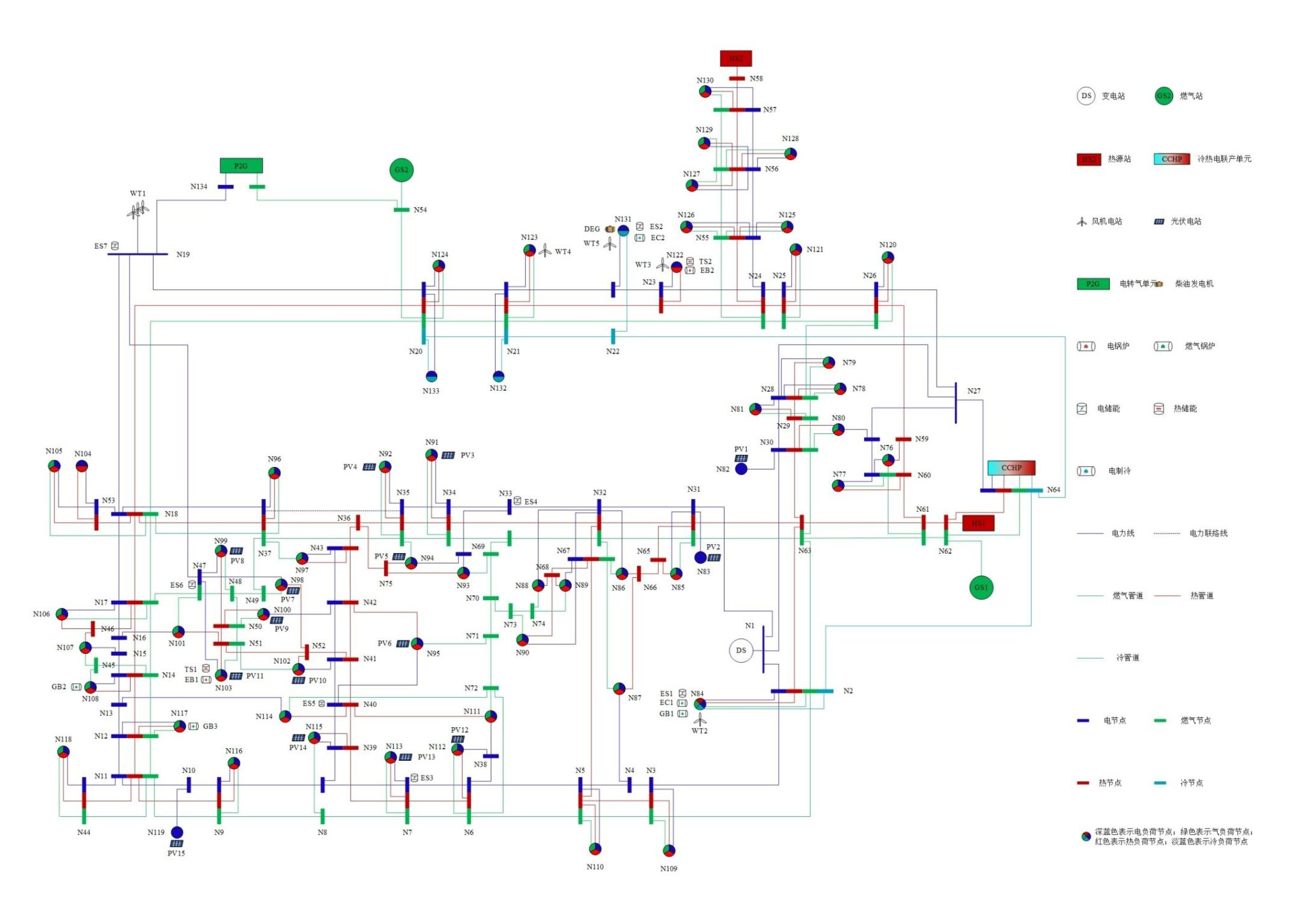
As a powerful carrier for optimizing the energy structure, the Integrated Energy System (IES) has received extensive attention and research. The development of public test cases for integrated energy systems has an important impact on the development of energy systems, for which the team has built a flexible and scalable comprehensive energy simulation test system IES-134. The IES-134 system is a simulation test case for the design of regional information energy systems, covering four types of energy: electricity, gas, heat and cold. The system consists of 134 energy nodes, of which 58 are load nodes. In the construction process, the IES-134 system follows the basic principles of primitiveness…
System Characteristics
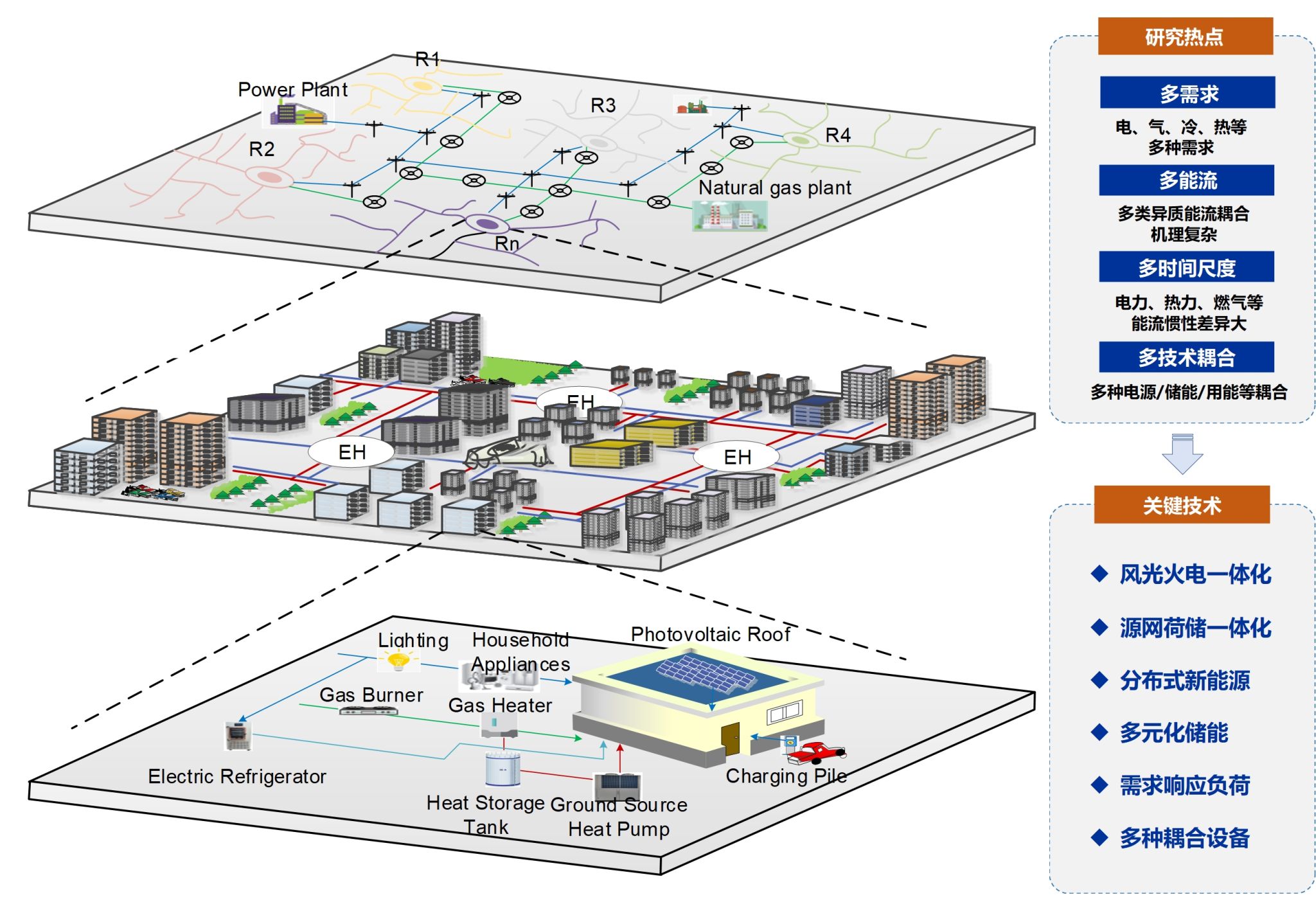
Large System Scale: The IES-134 system comprises 134 nodes and multiple types of energy equipment. It adopts an integrated "source-grid-load-storage" architecture, embeds a communication network, and is tailored for high-proportion renewable energy integration scenarios, meeting diverse research and testing needs.Deep Coupling Level: The IES-134 system integrates four energy subsystems—electricity, gas, heat, and cooling and achieves indepth interaction between heterogeneous energy subsystem at both the supply and demand ends through five coupling devices, including CCHP, P2G, electric boilers, gas boilers, and electric chillers. Comprehensive Data Resources: The IES-134 system provides a complete...
Principles of Construction
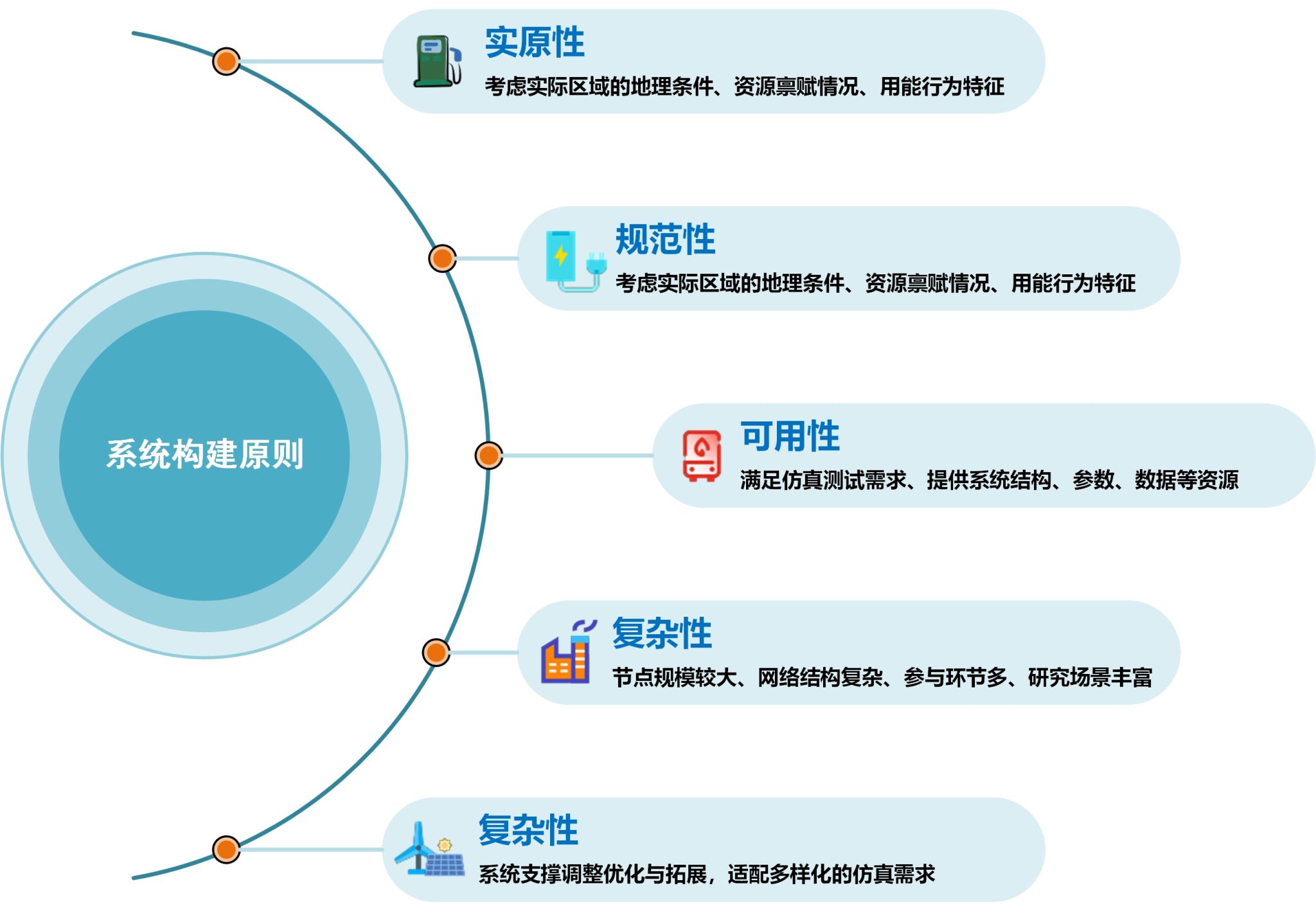
Authenticity: Aligned with Real-World ConditionsThe system architecture is constrained by regional climate, resource availability, and load characteristics. Parameters are derived from mechanistic models, actual measurements, and fitted data to ensure reliability and accuracy.Compliance: Strict Adherence to StandardsThe design of each energy subsystem follows relevant national standards and industry regulations, ensuring a rational and standardized structure. Functionality: Comprehensive Research Support The system provides complete topological layouts, parameters, and time-series data, supporting diverse research needs such as multi-energy flow calculations, economic optimization dispatch, and ....
System Architecture
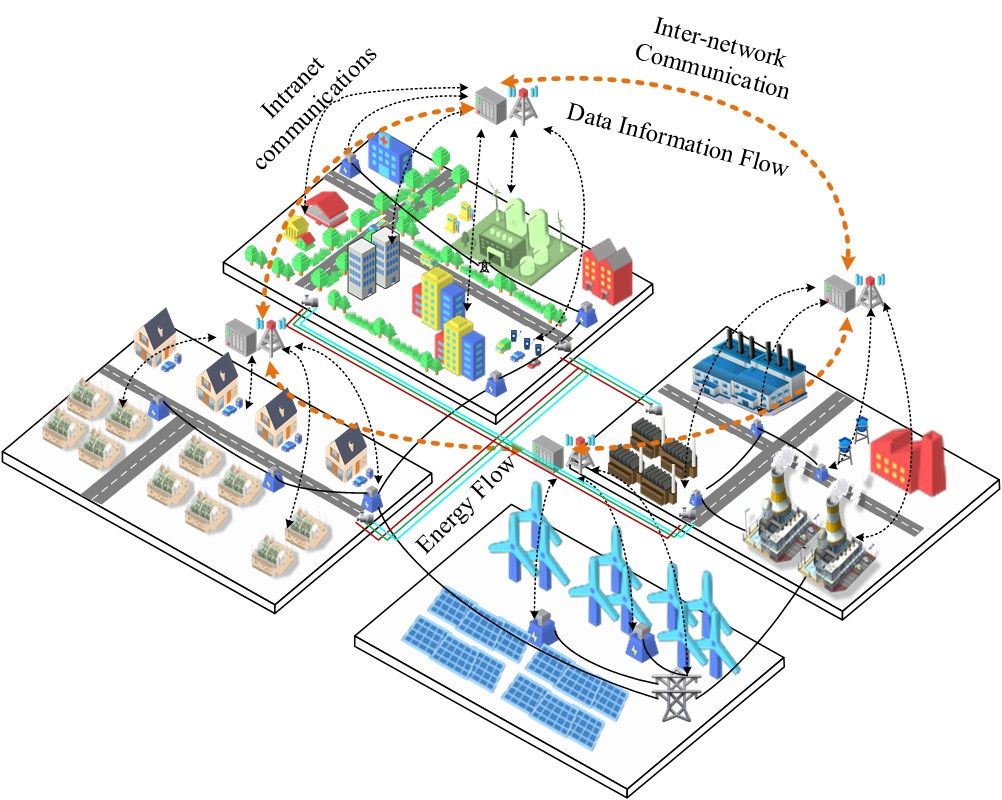
Energy Network:The IES-134 system consists of four energy sub-networks—electricity, gas, heat, and cooling—incorporating diverse energy equipment, with a total of 134 energy nodes. The distribution includes: Electric nodes: 111, Gas nodes: 100, Heat nodes: 104 and Cooling nodes: 9. Communication Network:The IES-134 system adopts a distributed communication architecture, primarily supporting distributed scheduling and operation to enhance system flexibility while ensuring real-time performance, reliability, and scalability. The network supports plug-and-play functionality compliant with the IEC 61850 standard, while also integrating Modbus-TCP/OPC UA protocol conversion to enable multi-source data fusion.
Time Series Data
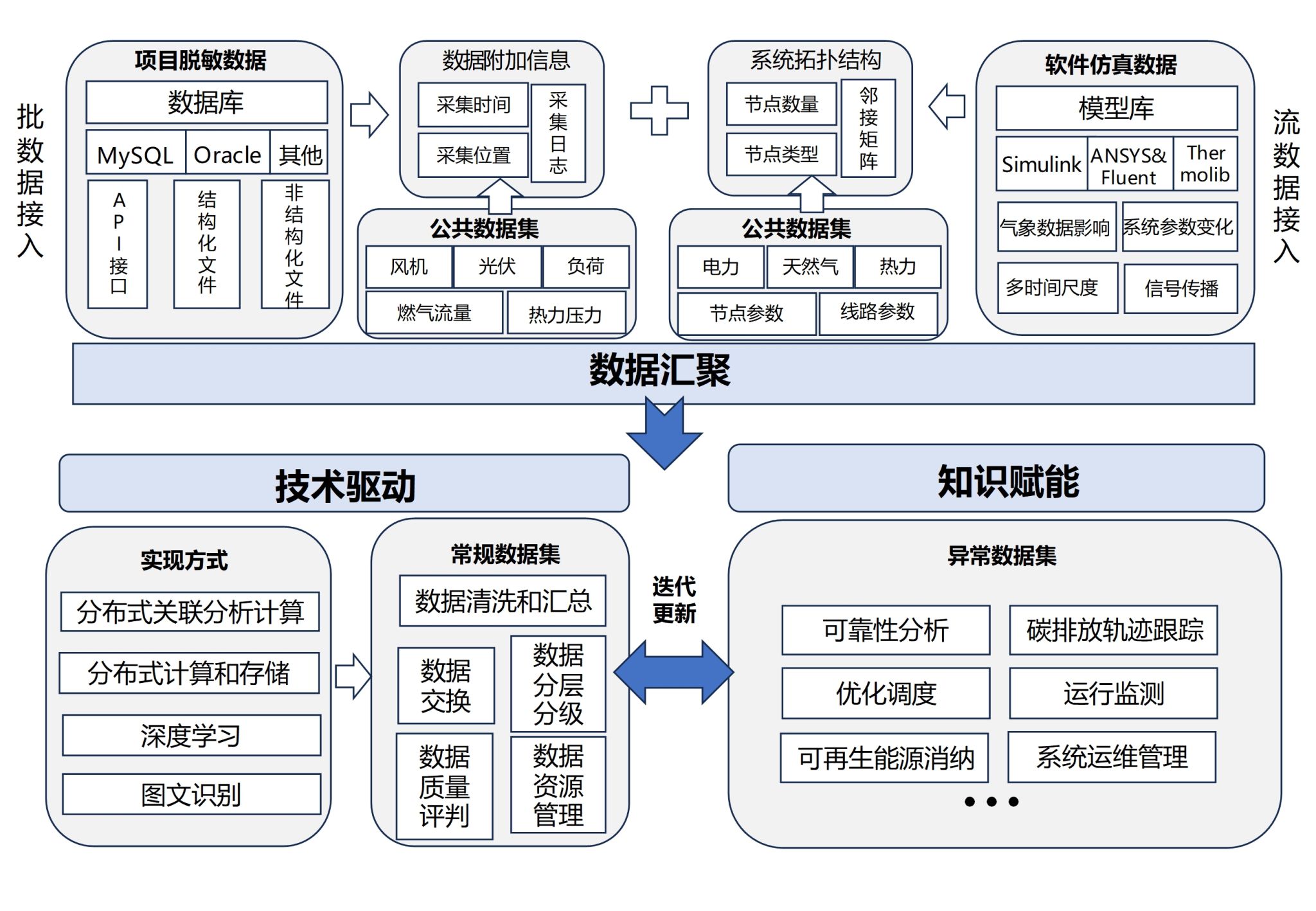
To establish a standardized framework for simulation systems and associated data system research, a diversified time-series dataset comprising both conventional and anomalous data subsets was constructed. Leveraging multi-source data including public datasets, mechanism-based simulation results, project-desensitized data, and large-scale model-generated data, the study employed a hybrid AI-driven methodology integrating mechanistic, data-driven, and knowledge-based approaches. This enabled demand-oriented generation of diversified data, thereby facilitating the integration of data resources essential for information-energy system research.
Research Achievements
More
Published Papers
License Patents
Academic Works
Awards
Case Studies
More
Multi-Energy Flow Calculation
VIEW ALL
Reliability Analysis
VIEW ALL
Economic Optimal Dispatch
VIEW ALL